



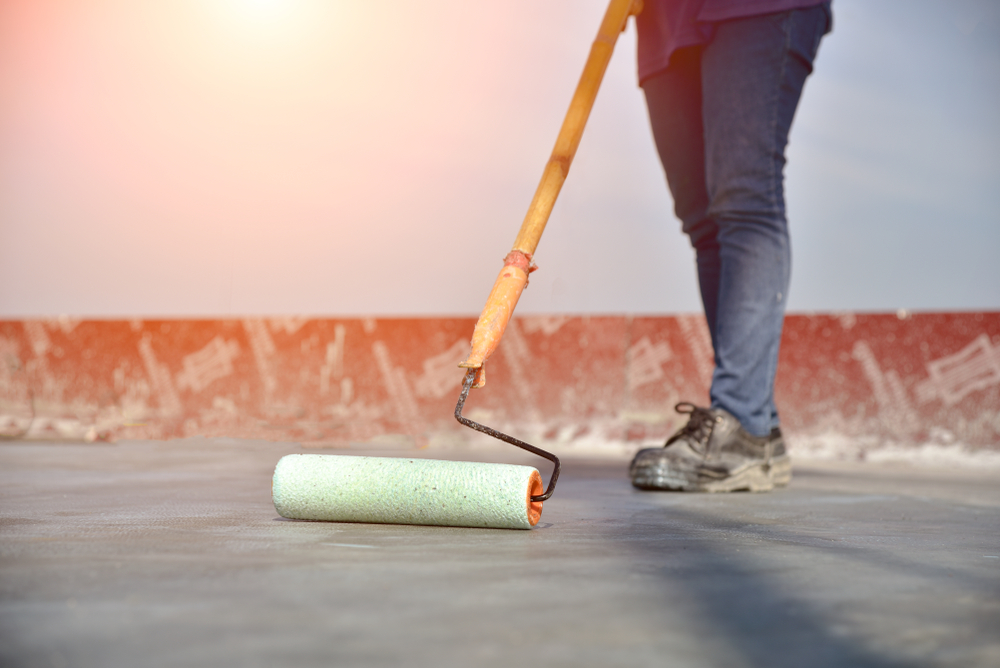
Surface dusting on a slab is never a good sign. While it’s tempting to apply a densifier or hardener and hope for the best, those products won’t solve every problem. If the dusting comes from a deeper issue, applying more product may not help—and could even make things worse.
When Hardeners Help—and When They Don’t
Hardeners work by reacting with the surface of the concrete to improve density and resistance to abrasion. But if the slab was not mixed, placed, or cured correctly, the surface might not have enough free lime for the reaction to occur. Even worse, a soft or overworked surface won’t accept the treatment properly, leaving it vulnerable to continued dusting.
Best Practices for Better Results
If you’re experiencing dusting on a new slab, take a step back and review the basics:
- Make sure the concrete wasn’t overwatered or re-tempered
- Avoid finishing too early or working bleed water back into the surface
- Use proper curing methods to lock in moisture and promote strong hydration
- Keep jobsite conditions in mind—cold weather, high humidity, or wind can all impact set time and curing
Once the placement and curing process is dialed in, densifiers and hardeners can be a great way to add durability and surface protection.
Common Questions
Why is my slab dusting after it cured?
Dusting often comes from poor finishing techniques or improper curing—not just surface wear.
Will a densifier stop the dusting?
Only if the concrete was placed correctly to begin with. If the top layer is already soft or compromised, it may not react well with the product.
Should I still use a hardener on a dusty slab?
Not always. If the surface is weak, a hardener might not improve it. Focus on identifying the cause before applying more treatments.
What’s the right timing for applying a densifier?
Apply after finishing, once the concrete is dry and has started to harden. Be sure the surface is clean and free of laitance.
To learn more about densifiers, hardeners, and dusting prevention, click here.
